

How Can Non-Invasive Treatments Assist In Recovering From Sports Injuries?
Sports injuries can be frustrating and debilitating, keeping you away from the activities you love. But what if you could recover without surgery? Non-invasive treatments offer that possibility, promoting healing and helping you get back in the game. This FAQ explores common non-invasive options and their benefits in the recovery process.
Understanding Non-Invasive Treatments
Before diving into specific treatments, it’s important to understand what ‘non-invasive’ means. Non-invasive treatments are techniques that do not require any incisions into the body or removal of tissue. They focus on natural healing processes without surgery.
The realm of non-invasive treatments is vast and varied. Techniques range from manual therapies to advanced technological interventions designed to stimulate healing. They aim to support the body’s innate recovery mechanisms by enhancing circulation, reducing pain, and improving functionality.
One important characteristic of non-invasive methods is their ability to personalize care plans. This means treatments can be tailored specifically to the individual needs of the injured person, considering factors like the type of injury, severity, and the athletic demands placed on their body.
Benefits of Non-Invasive Treatments for Sports Injuries
These treatments reduce recovery time, minimize pain and discomfort, and decrease the risk of infections and other complications associated with surgery. They are also typically more cost-effective and have fewer side effects.
An often overlooked benefit is the psychological boost. Knowing you can heal without undergoing invasive surgery can be empowering and can significantly improve an athlete’s mental resilience.
Furthermore, non-invasive treatments often provide a more holistic approach. They not only address the specific injury but also aim to enhance overall well-being. This comprehensive method of healing can foster a stronger and healthier return to sports activities.
Common Non-Invasive Treatments for Sports Injuries
Some popular non-invasive treatments include physical therapy, massage therapy, acupuncture, and the use of cold or heat therapy. These methods focus on reducing inflammation, improving circulation, and strengthening muscles around the injured area.
Physical therapy is often the cornerstone of non-invasive treatment for sports injuries. It employs a variety of exercises and modalities to restore function, increase strength, and prevent future injuries.
Similarly, acupuncture has gained traction among athletes. This age-old practice involves inserting thin needles at specific points in the body to stimulate healing, reduce pain, and relieve tight muscles, facilitating quicker recovery.
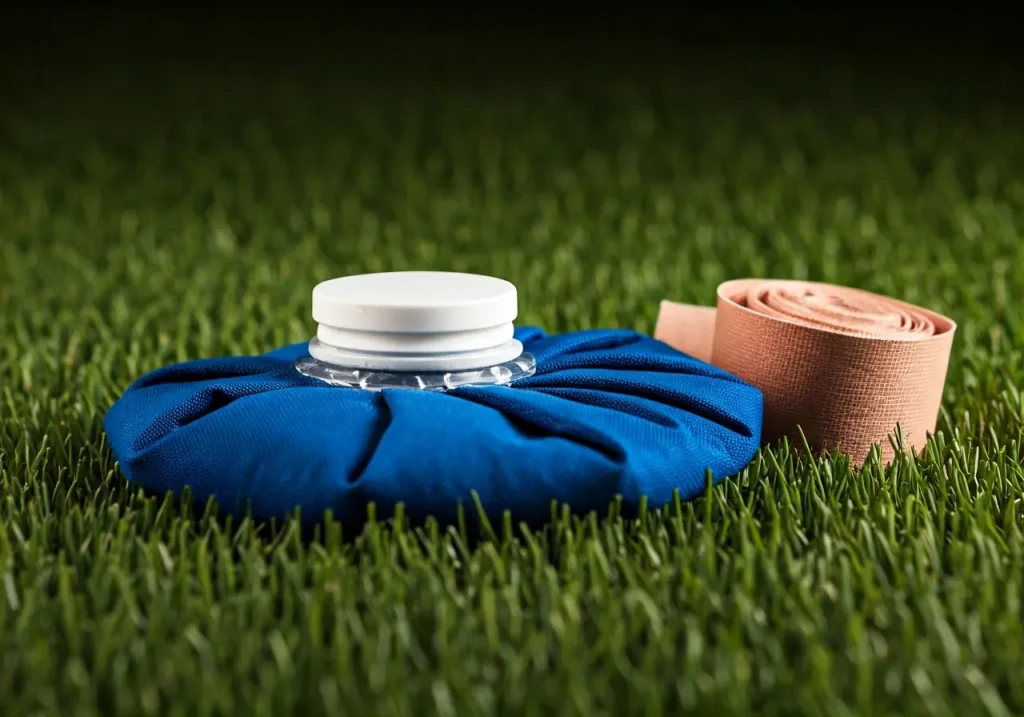
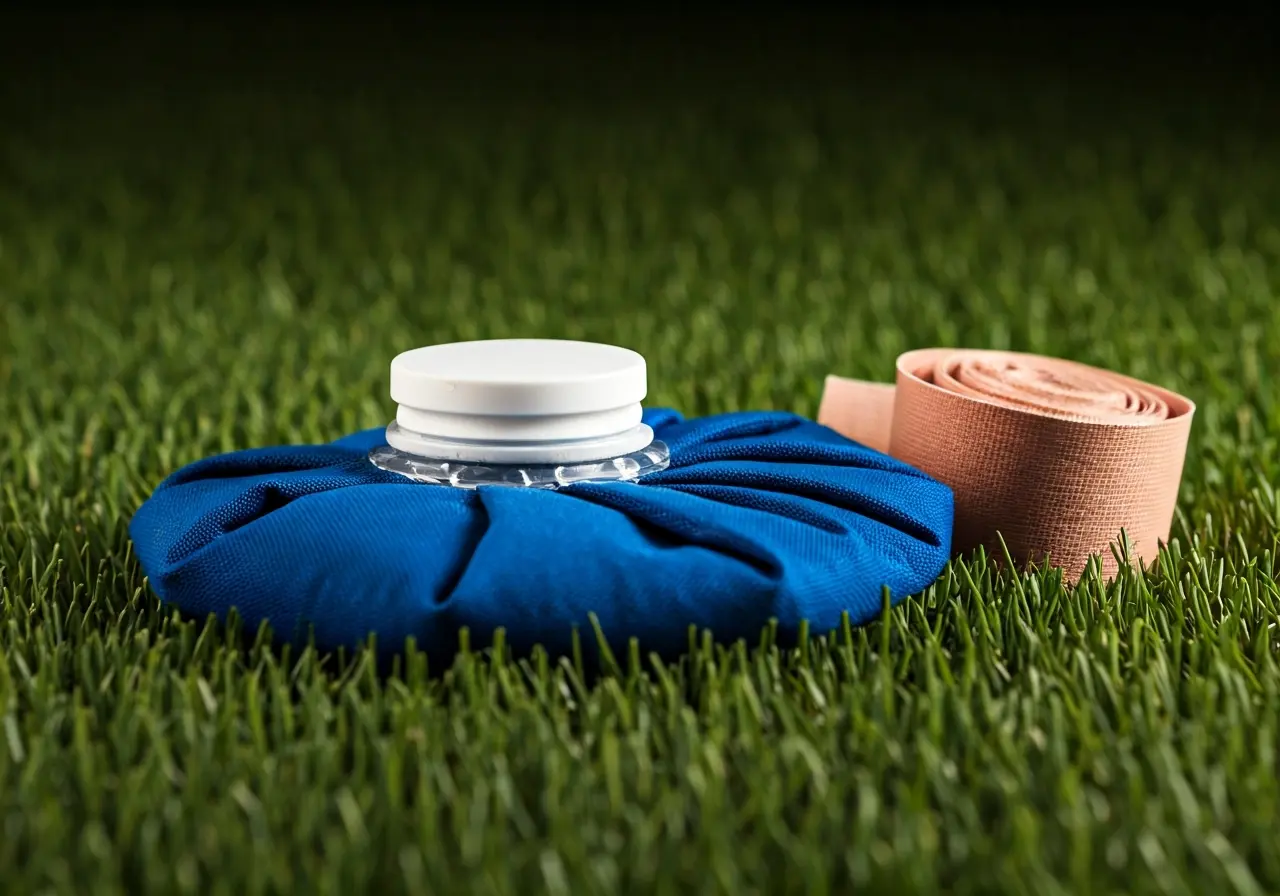
Cold therapy, often referred to as cryotherapy, is particularly useful in the acute phase of an injury to reduce swelling. Subsequently, heat therapy can promote blood flow and accelerate healing as the injury progresses into a recovery phase.
Combining Treatments for Optimal Recovery
Often, a combination of non-invasive treatments can be more effective than a single approach. For example, pairing physical therapy with massage therapy can enhance muscle recovery and flexibility. It’s all about finding the right blend for your specific injury.
A synergistic approach involving multiple modalities can address different facets of an injury. For instance, combining cold therapy to manage inflammation with exercises that improve range of motion can lead to more comprehensive recovery.
In certain scenarios, integrating a schedule of therapies ensures no aspect of recovery is overlooked. Different treatments often complement one another, targeting pain relief, tissue repair, and functional restoration systematically.
At times, integrating non-invasive treatments with nutritional strategies can further enhance recovery. Proper nutrition supports the body’s repair processes, while treatments like physical therapy align with bodily functions to speed healing.
Wrapping it Up: The Role of Non-Invasive Treatments in Sports Injury Recovery
Non-invasive treatments offer a promising route for athletes looking to recover from sports injuries effectively and with minimal downtime. These methods not only aid in the healing process but also help prevent future injuries, enabling athletes to safely return to their activities. Always consult with a healthcare professional to tailor the best recovery plan for your specific needs. For more personalized guidance, visit our homepage.
