

8 Signs You Might Need Neuropathy Treatment and What to Do Next
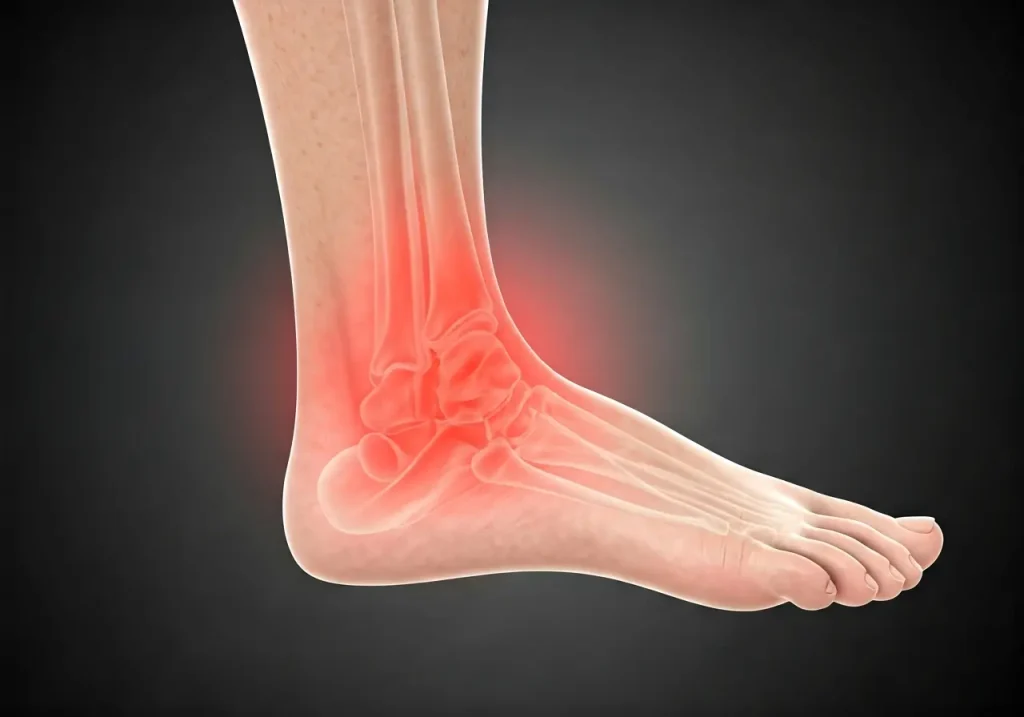
Nerve pain can be a real challenge to deal with and often, we might ignore or misinterpret the warning signs. Neuropathy, which involves damage to the nerves, presents itself in a variety of ways and knowing these signals can be the first step toward finding the appropriate treatment. In this guide, we’ll explore the key signs that you may need neuropathy treatment and offer insights on how to proceed if you’re experiencing these symptoms.
1. Persistent Tingling or Numbness
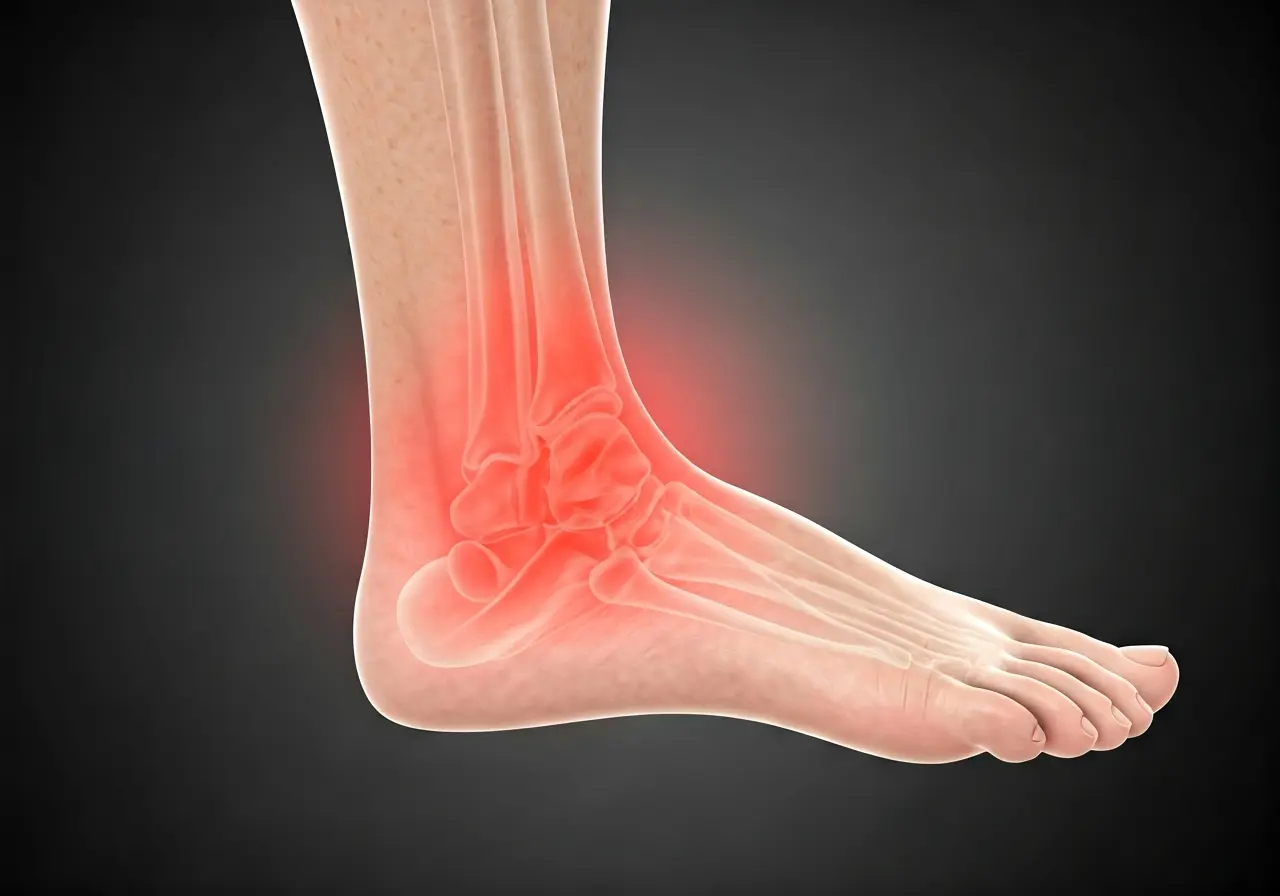
Tingling and numbness, especially in your hands or feet, can be an early warning sign of nerve issues. While occasional tingling might be harmless, persistent sensations may indicate neuropathy. You might experience a sensation as though your extremities are ‘falling asleep’ more frequently or more intensely. If these feelings interfere with your daily activities or seem to worsen over time, rather than improving, it’s a significant cue that it could be time to seek a professional evaluation. Furthermore, tingling often precedes discomfort and can transition into pain if not addressed promptly.
The sensation can be unsettling, making it challenging to function effectively during simple tasks. By understanding the possible linkage of persistent tingling with neuropathy, you can take the vital step of consulting a health expert who can evaluate these symptoms and recommend an appropriate neuropathy treatment plan. Don’t ignore what your body is trying to tell you.
2. Unexplained Pain in Hands or Feet
Sharp, burning, or throbbing pain without an obvious cause can be a symptom of nerve damage. This kind of pain might come and go, or be more persistent, but its unexplained nature makes it particularly concerning. Neuropathic pain has a unique, sometimes unbearable characteristic that sets it apart from regular pain—it can feel like an electric shock or like raw skin. If you’re experiencing unexplained pain, it might be time to consider neuropathy treatment. You may find that daily activities become daunting, as the pain detracts from your focus and productivity, and seeking timely intervention can assist in moderating these symptoms.
3. Muscle Weakness
If you find that you’re weaker than usual or struggling with routine activities, nerve damage could be affecting your muscle strength. Often, this symptom can be misconstrued as simple fatigue, yet if it’s persistent or impedes your ability to perform usual tasks like opening jars or climbing stairs, it’s crucial to dig deeper into potential root causes. Such weakness is typical of nerve progress in impairment, indicating that muscles are not receiving the necessary signals from nerves to perform efficiently. Seeking medical advice is crucial in these cases to prevent further deterioration and to establish coping mechanisms through proper healthcare guidance.
Being proactive and addressing muscle weakness early can mitigate the risk of injuries caused by falls or strain, as the body compensates for the lack of strength or coordination. Evaluating your symptoms with a practitioner can also paint a clearer picture of the potential benefits of neuropathy treatment interventions tailored to enhance your physical capacity and quality of life.
4. Sensitivity to Touch
Increased sensitivity to touch, where even light pressure feels painful, can be a symptom of nerve disturbance. It’s essential to not ignore these sensations, as they can impact your quality of life significantly. This particular symptom can manifest when something as simple as wearing a sock or the brush of a bedsheet may invoke pain. Engaging with a specialist who understands neuropathic conditions can help develop strategies to manage chronic pain and improve comfort levels.
Moreover, hypersensitivity can interfere with sleep patterns and daily activities, leading to further complications like mood disturbances or sleep disorders. By addressing these symptoms with a healthcare professional, you can start to devise coping strategies, which may include medications or lifestyle modifications aimed at reducing the impact these sensations have on your life.
5. Problems with Coordination or Balance
Difficulty in maintaining balance or coordination can be alarming and may indicate nerve issues affecting your motor skills. This type of symptom could lead to frequent stumbling or falls, which are not only problematic but hazardous in the long term. In many cases, balance issues are a sign that nerves are struggling to communicate with muscles appropriately. Identifying these problems early can be beneficial, as interventions can help enhance your stability and reduce risks associated with falls.
6. Feeling of Wearing Gloves
A sensation of wearing gloves or socks when you’re not can be a strange yet telling symptom of neuropathy. This feeling arises from disrupted nerve signaling and is often related to nerve damage in those areas. Such sensations can be disorienting and uncomfortable, particularly if you rely on tactile sensitivity for occupational or recreational activities. Consulting a healthcare provider can establish whether this is an indicative neuropathic symptom.
7. Heat Intolerance
Experiencing difficulties in regulating body temperature or having intolerance to heat can be linked to autonomic nerve issues. Monitoring these symptoms can help manage them effectively. When your body’s autonomic functions, such as temperature regulation, are impacted, you might find yourself feeling hot or cold without environmental justification. This can lead to discomfort and complicate daily life routines. It’s worth discussing these changes with a healthcare professional, as early intervention may improve symptom management and quality of life.
8. Digestive Problems
Nerve damage can also affect digestion, leading to issues like constipation, diarrhea, or bloating. If digestive troubles have become persistent, it could be nerve-related and merit further exploration. Autonomic nerves are responsible for managing your digestive tract functions. When these are compromised, it can lead to significant discomfort and disruption in routine gastrointestinal activity. Lifestyle adaptations, along with medical guidance, can make a difference when tackling these challenges effectively.
It’s important to not only seek out potential neuropathy treatment but also consider dietary and lifestyle adjustments which can aid in managing digestive symptoms. Speaking with healthcare professionals about specialized care solutions can provide targeted interventions that address both nerve-related and gastrointestinal symptoms.
