

7 Surprising Benefits of Pickleball for Neck Pain Relief
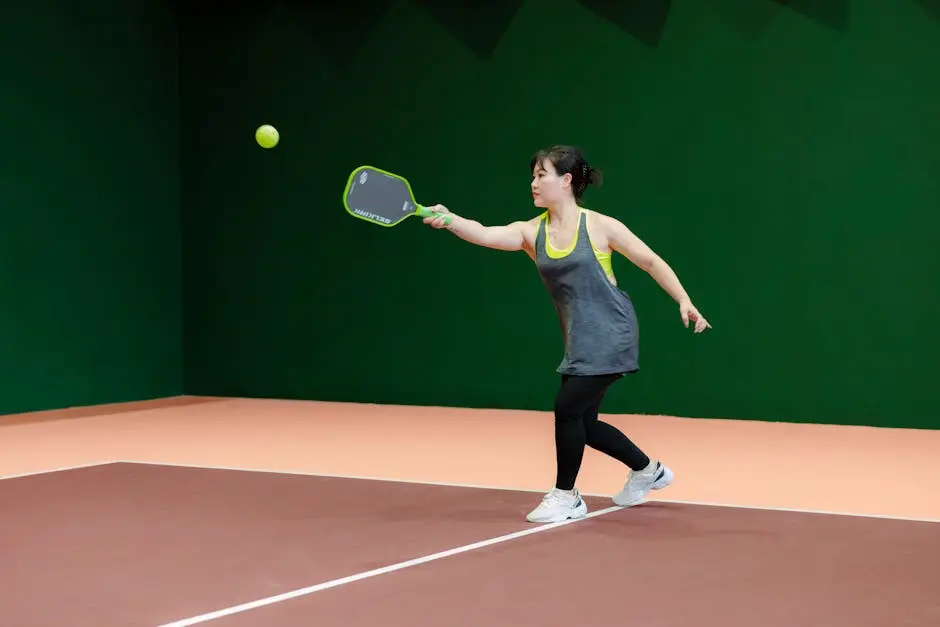
Pickleball is not just an entertaining way to spend your time—it’s a surprisingly beneficial activity for those suffering from neck pain. This increasingly popular sport is easy on the joints but challenging enough to get the heart pumping. In this article, we explore how playing pickleball can contribute to relieving neck discomfort, in ways you might not expect.
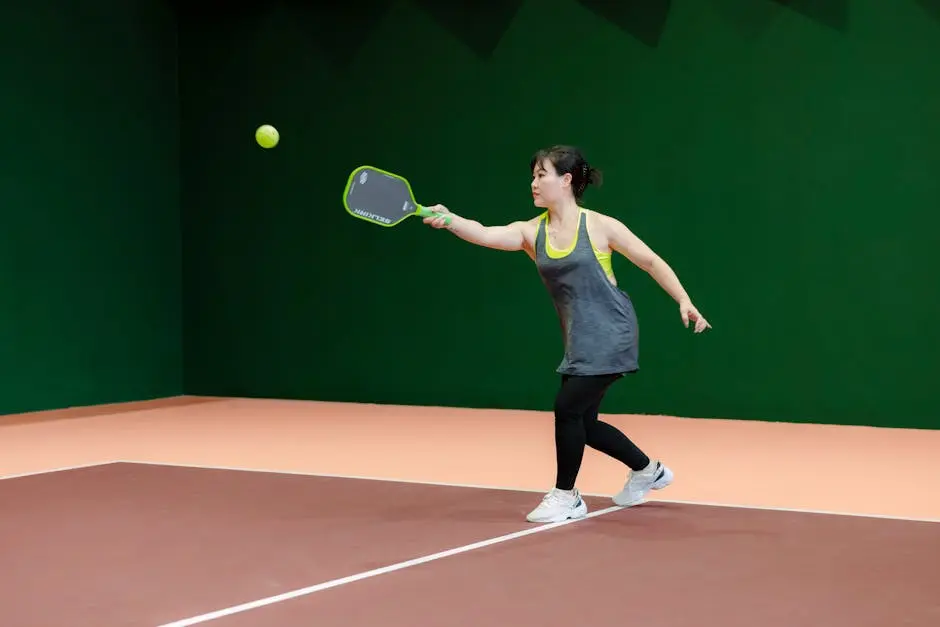
1. Gentle Low-Impact Exercise
Pickleball provides a low-impact workout perfect for those dealing with neck pain. Unlike high-intensity sports, it requires moderate movement that strengthens muscles without straining sensitive areas. The gentle nature of pickleball lends itself well to people seeking an entry point into physical activity. Not only does it reduce joint stress, but it can also be adapted for varying skill levels, allowing you to control the intensity. This flexibility ensures that even on bad neck days, you can still enjoy the game at a comfortable pace.
One of the immediate benefits you’ll notice is how simple it is to get started. All you need is a paddle, a ball, and access to a court. As you play, your body gradually becomes accustomed to the movements, which promotes healing and strengthens the neck area over time. It’s a far cry from intense workouts that may inadvertently exacerbate neck pain. Instead, pickleball leverages fun as a tool for fitness, making it more likely you’ll stick with it and experience the long-term benefits.
2. Enhancing Posture and Alignment
Playing pickleball encourages proper posture as players must stay upright to move effectively across the court. This helps reinforce better alignment, which can alleviate neck tension over time. A consistent posture helps in developing stronger shoulder and neck muscles that can better support the head’s weight, easing the burden on strained neck muscles. As opposed to activities that may cause slouching or forward head posture, pickleball naturally aligns your body in a manner that supports neck health.
Additionally, pickleball’s dynamic movements demand players to pivot and turn, which promotes a natural adjustment and realignment of the spine. While improving your gameplay, you’re also subtly correcting bad postural habits, leading to a decrease in chronic neck strain. Through consistent play, these benefits accumulate, leading to improved posture and reduced discomfort even when you’re off the court.
3. Boosting Flexibility and Range of Motion
Regular participation in pickleball can enhance body flexibility. The sport involves various movements that gently encourage a greater range of motion in the neck and shoulders. Each serve, volley, and rally provides moments to stretch, twist, and reach, which all contribute to increasing joint flexibility. Over time, this increased elasticity can reduce stiffness in the neck, a common issue for those sat at desks for prolonged periods. With each game, you’re not only scoring points but also reclaiming your youthful agility.
It’s not just the upper body that benefits; your entire frame becomes more flexible. The lower body moves in synergy during the game, guaranteeing that every region from your hips upward engages in a harmonious dance. This balanced activity ensures that energy isn’t overly concentrated in one particular area, reducing the risk of overuse injuries and fostering overall body coordination. As you gain flexibility, you’ll notice how everyday activities become easier, and your quality of life significantly improves.
4. Promoting Relaxation and Stress Relief
The enjoyable nature of pickleball can be a great stress reliever. Regular play can reduce stress levels, leading to decreased muscle tension in the neck area. The lighthearted competition and camaraderie on the court can distract from daily stressors, allowing your mind to unwind while your body plays. This active meditation encourages the release of endorphins, which help battle stress and contribute to a happier, more relaxed state of mind.
Moreover, the rhythmic movement of pickleball mimics certain relaxation techniques. The constant back-and-forth action becomes meditative, lowering cortisol levels—one of the primary hormones responsible for stress. By making pickleball a regular part of your routine, you can cultivate an enduring sense of calm and relaxation. This dual impact of physical relief and mental tranquility offers an all-encompassing approach to managing neck pain.
5. Encouraging Social Interaction
Pickleball is often played in pairs or small groups, fostering social interaction, which is beneficial for mental health. A positive mental state is crucial for overall physical well-being, including managing neck pain. The sport offers a unique venue for meeting new people and strengthening existing relationships, which can significantly impact your mood and motivation. As you connect with others, your psychological resilience increases, which plays a critical role in physical health.
Building a community around pickleball also creates a network of support. Individuals engaged in shared interests often find encouragement and motivation from one another, helping to maintain consistency in activities that benefit their health. This camaraderie might be the catalyst you need to maintain regular exercise, which directly contributes to the stabilization and reduction of neck pain in the long term.
6. Improving Overall Fitness and Endurance
As a cardiovascular activity, pickleball helps improve overall fitness levels which contribute to better endurance and stamina. This aids in managing and reducing the frequency of neck pain episodes. As your heart health improves, you’ll find that your capacity for physical activity increases, making it easier to manage everyday tasks and other exercises. An active lifestyle bolstered by playing pickleball contributes to weight management, reducing strain on the neck and upper body.
Furthermore, the sport boosts lung capacity and endurance, which can channel increased oxygen supply to strained muscles. With better fitness, your body becomes more adept at healing and resisting injury, creating an environment where neck pain diminishes naturally. As your endurance grows, you’ll enjoy a higher quality of life, filled with invigorating activities you may have once thought impossible.
7. Building Core Strength
A strong core supports the entire body, and playing pickleball regularly can help build these crucial muscles, offering better stability and support for the neck. Core strength acts as a foundation; a solid frame upon which the rest of your body’s movements depend. Engaging in pickleball calls for balance and precise control, both of which are achieved through a potent core. This stability reduces undue stress on the neck by evenly distributing weight and preventing awkward, damaging positions.
In addition to aiding neck health, a sturdy core enhances overall physical capability. As a central stabilizer, it allows you to exert energy more efficiently, powering through movements with ease and grace. Imagine transitioning smoothly between tasks without the familiar pull of neck strain. By actively reinforcing your core through pickleball, you’re investing in a future with more freedom and fewer physical limitations.
