

Is Spinal Decompression the Right Choice for My Back Pain?
Back pain can be debilitating, affecting every aspect of your life. One option for relief that many consider is spinal decompression. But is it the right choice for you? In this article, we’ll explore the ins and outs of spinal decompression to help you make an informed decision.
Understanding Spinal Decompression
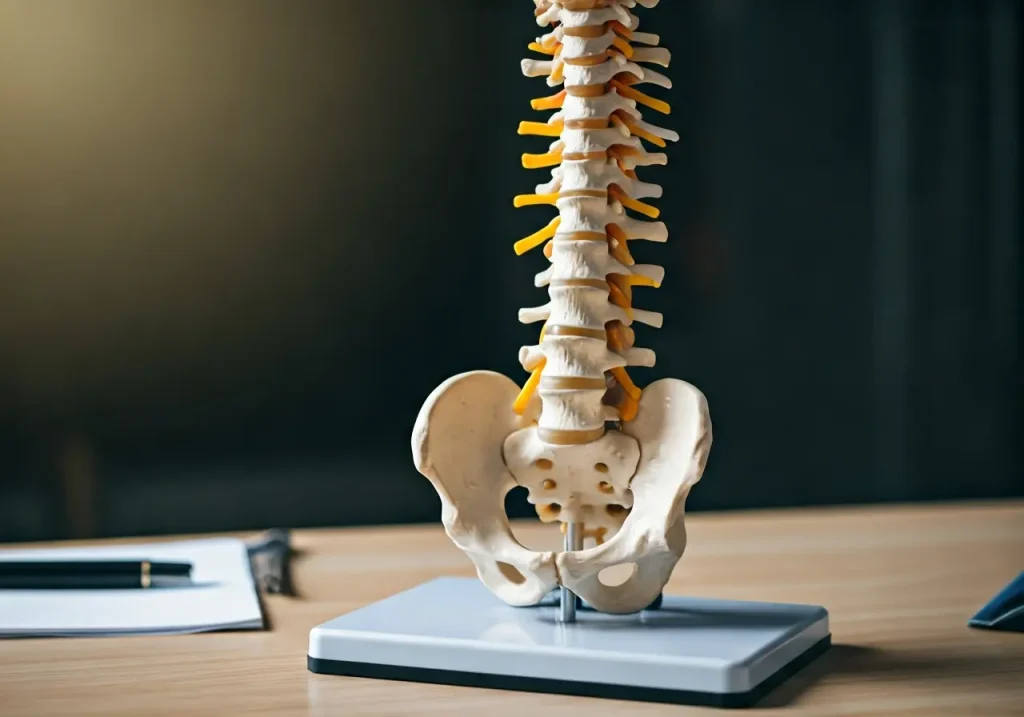
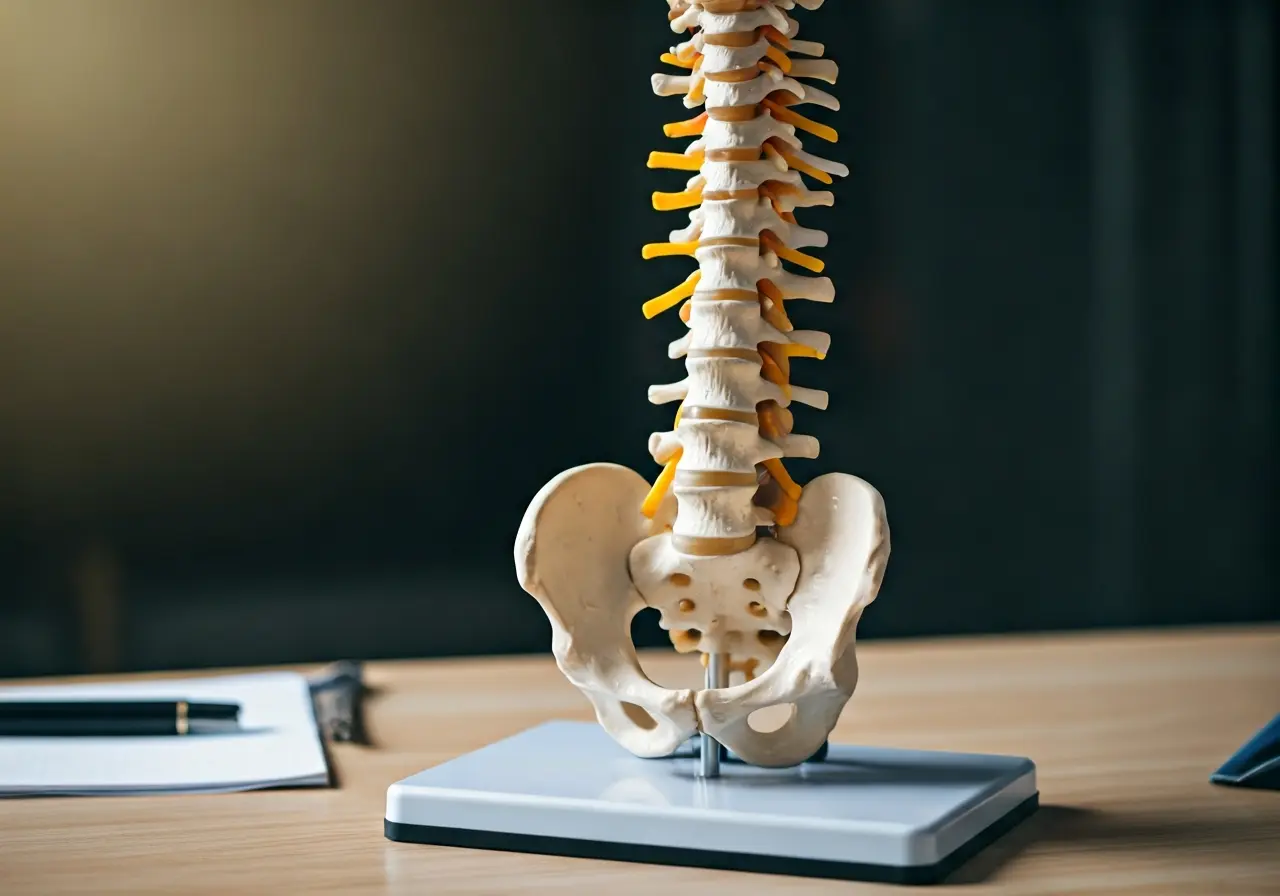
Spinal decompression is a non-surgical therapy aimed at relieving back pain by gently stretching the spine, changing its force and position. This can help take pressure off the spinal disks, which are gel-like cushions between the bones in your spine.
While it might sound intimidating, spinal decompression is designed to provide relief by increasing the space between vertebrae, promoting healing and potentially reversing damage in some cases. The process is conducted using a motorized table that rotates and stretches your spine strategically. By understanding how it works, you can better appreciate its potential benefits.
Moreover, the mechanism behind spinal decompression involves negative pressure, which can help retract a herniated disk or bulging disk. This retraction reduces pressure on nerves, contributing to pain relief and supporting disc healing over time.
When to Consider Spinal Decompression
If you have chronic back pain, sciatica, or herniated disks, spinal decompression might be an option worth considering. Understanding when it’s most effective can help in deciding whether it’s suitable for your condition.
Common conditions that can benefit include degenerative disc disease, facet syndrome, and worn spinal joints. Recognizing these indicators allows you to evaluate if spinal decompression is a fit for your personal medical needs.
While the list of candidates is extensive, it’s important to note that not every back pain sufferer is an ideal candidate. Having a detailed consultation with your healthcare provider can clarify whether your situation meets the criteria for treatment success.
Benefits of Spinal Decompression
Many individuals report significant relief from pain and improved mobility after spinal decompression therapy. It can also serve as an alternative to surgery, which is a major draw for those looking to avoid invasive procedures.
In addition to pain reduction, spinal decompression may enhance your range of motion and flexibility, allowing you to enjoy daily activities with less discomfort. It’s a treatment that not only alleviates pain but also restores quality of life.
Possible Risks and Considerations
While non-surgical, spinal decompression isn’t completely free of risks. Some individuals might experience increased pain or discomfort. Consulting with a professional can help mitigate these risks by ensuring it’s suitable for your condition.
Additionally, rare complications might include nerve damage or worsening of an existing condition. It’s crucial to fully vet your healthcare provider’s experience and the safety measures employed during therapy sessions.
Alternatives to Spinal Decompression
For some, physical therapy, chiropractic adjustments, or lifestyle changes might provide relief without the need for spinal decompression. Exploring these alternatives can also be beneficial.
Incorporating core strengthening and maintaining a healthy weight through diet and exercise are non-invasive methods that can support spinal health and potentially reduce pain.
Consulting with a Healthcare Professional
Before opting for spinal decompression, it’s crucial to speak with a healthcare professional who can assess your condition and provide personalized guidance.
A comprehensive evaluation will diagnose the cause of your back pain, and with professional insight, a tailored treatment plan that benefits your well-being can be developed.
Making the Right Decision for Your Back Pain
Spinal decompression can be an effective solution for those suffering from certain types of back pain. However, it’s important to consult with a healthcare professional to determine if it’s the right treatment for your specific condition. By understanding the benefits, potential risks, and alternatives, you can make a more informed choice tailored to your health needs. To learn more about how spinal decompression might fit into your treatment plan, visit our homepage.
