

What Is Spinal Decompression and How Does It Work?
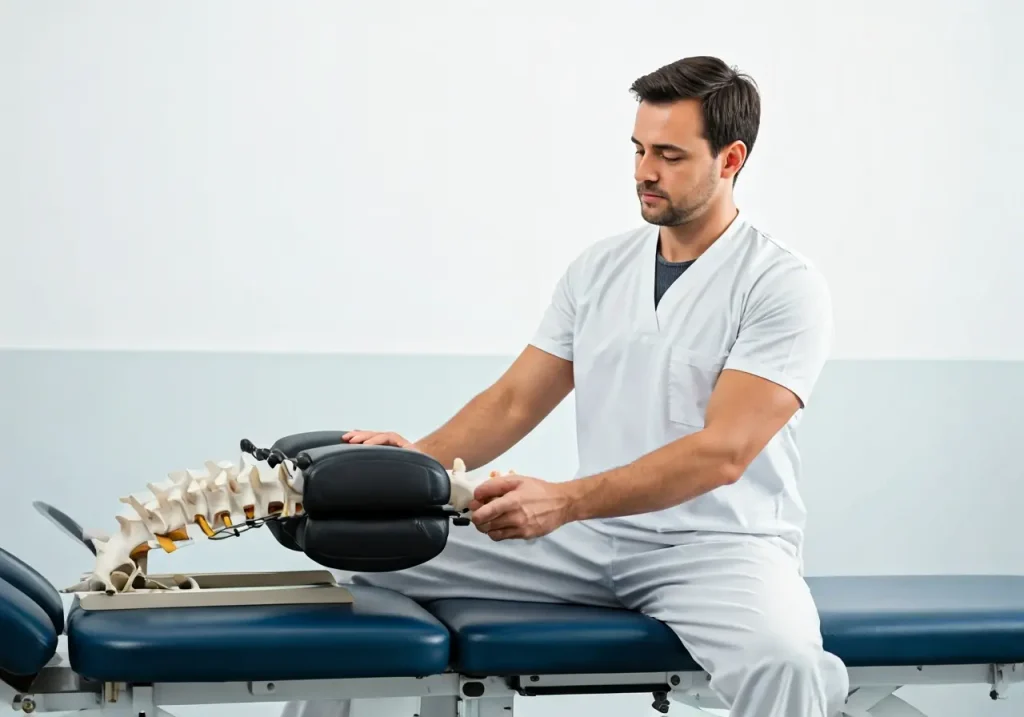
Spinal decompression is a topic that might sound a little complex, but understanding it can really help if you’re dealing with back pain. In this FAQ, we’ll break down what spinal decompression is, how it works, and its potential benefits, all in a simple and easy-to-follow manner.
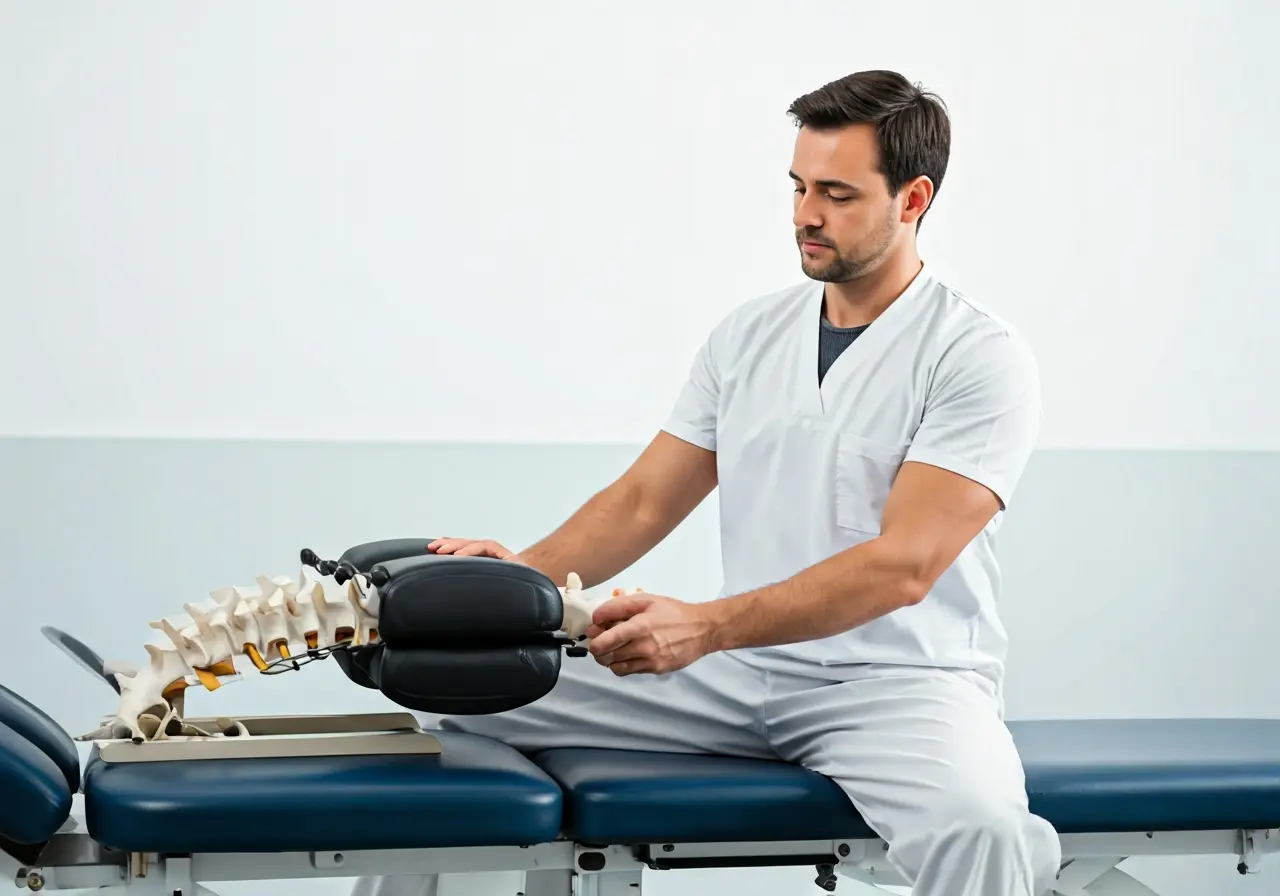
What is Spinal Decompression?
Spinal decompression refers to a type of therapy or surgery designed to relieve pressure on one or more pinched nerves of the spinal column. We’ll explore the different methods available and their objectives.
At its core, spinal decompression works on the concept of creating negative pressure within the disc space. This negative pressure can help retract herniated or bulging discs, taking pressure off nerves and other structures in the spine. There are both surgical and non-surgical approaches to spinal decompression, each suited for different conditions and patient needs.
In cases where non-invasive methods are insufficient, surgical spinal decompression may be recommended. This involves procedures aimed at removing parts of bone or disc material to alleviate pressure on spinal nerves.
How Does Non-Surgical Spinal Decompression Work?
Non-surgical spinal decompression uses motorized traction to gently stretch the spine. This change in the position and force of the spine helps take pressure off the spinal discs.
During a session, you are typically strapped to a harness while lying on a special table. The table moves in a way that gently stretches and relaxes the spine, specifically targeting areas that need decompression. This procedure is designed to be painless, offering a therapeutic experience that strives to relieve back discomfort.
One of the main goals of this therapy is to facilitate the movement of oxygen and nutrient-rich fluids into the discs, promoting healing and spine health. It’s ideal for those seeking a gentle, effective treatment to manage chronic back issues.
What Conditions Can It Help?
This therapy can be particularly beneficial for individuals with conditions like herniated or bulging discs, sciatica, or degenerative disc disease. We’ll dive into these conditions and why spinal decompression might be recommended.
Herniated or bulging discs occur when the soft interior of the spinal disc pushes through a tear in the exterior, often leading to severe pain. Spinal decompression can help retract these protrusions, thereby reducing discomfort and neural compression.
Degenerative disc disease involves the gradual wear and tear of spinal discs, which can lead to chronic pain. Spinal decompression aims to alleviate the symptoms by promoting increased hydration and nutrient flow in the affected areas.
What to Expect During a Session
Get an insight into what happens during a spinal decompression session, how long it lasts, and what you might feel during and after the treatment.
Each session typically lasts 30 to 45 minutes, during which you’ll experience a sense of relaxation as the table works its magic. Following the procedure, some patients report immediate relief, while others may require multiple sessions to notice significant improvement.
You’ll be closely monitored by a healthcare professional to ensure comfort throughout the process. Post-session, it is not uncommon to feel mild soreness as your body adjusts to the treatment. Adhering to the treatment plan is crucial for optimal results.
Are There Any Risks?
As with any treatment, there are some risks involved. We’ll go over the potential side effects and who might not be an ideal candidate for this therapy.
Non-surgical spinal decompression is generally considered safe, but it’s not suitable for everyone. Individuals with fractures, tumors, or severe osteoporosis should avoid this treatment. Always discuss your eligibility and potential risks with your healthcare provider.
Typical side effects are rare but might include temporary muscle spasms or pain. It’s important to contact your healthcare professional if you notice any adverse symptoms post-treatment.
How Effective is Spinal Decompression?
We discuss the success rate and effectiveness of spinal decompression therapy, including various studies and patient testimonials.
Clinical studies suggest that non-surgical spinal decompression may significantly alleviate back pain for many patients. While individual responses vary, many report positive outcomes after completing a series of treatments.
Patient testimonials often highlight a reduction in pain levels and improved mobility. Such narratives underscore the potential benefits of spinal decompression as a viable, non-invasive treatment option.
Wrapping Up Spinal Decompression
In summary, spinal decompression is a non-surgical treatment that can help alleviate back pain by gently stretching the spine, promoting increased circulation to the spinal discs, and allowing for healing. Always consult with a healthcare professional to see if it’s the right option for you.
