

How Does Spinal Decompression Therapy Work?
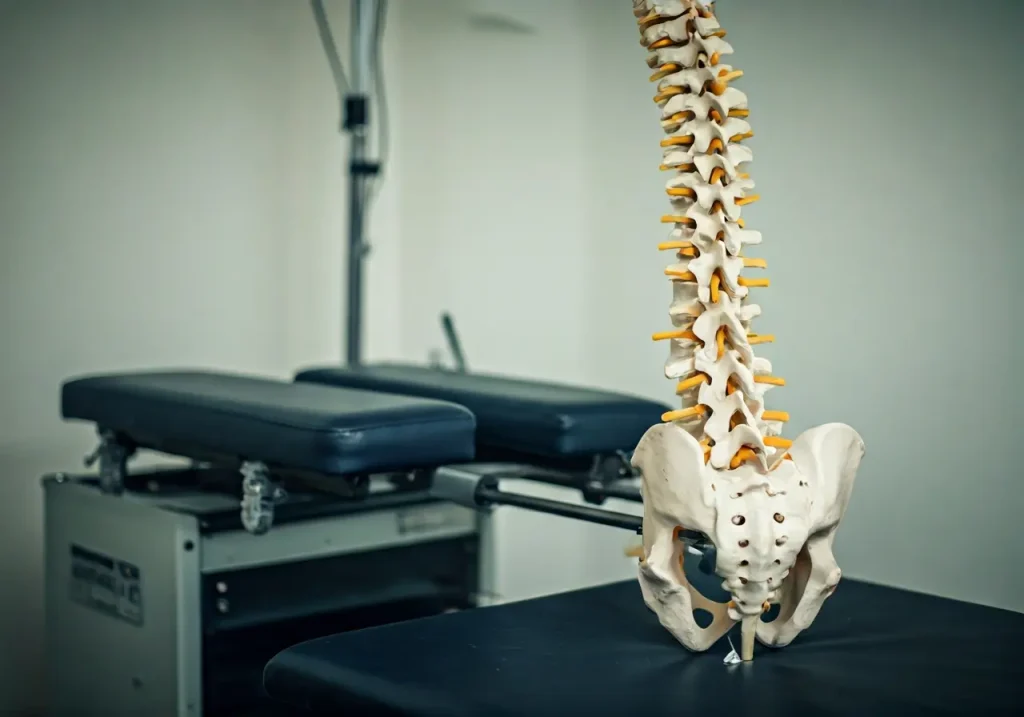
Spinal decompression therapy is a non-surgical treatment option for people experiencing back pain and other related conditions. This FAQ blog will guide you through the process, explaining how it works and what to expect.
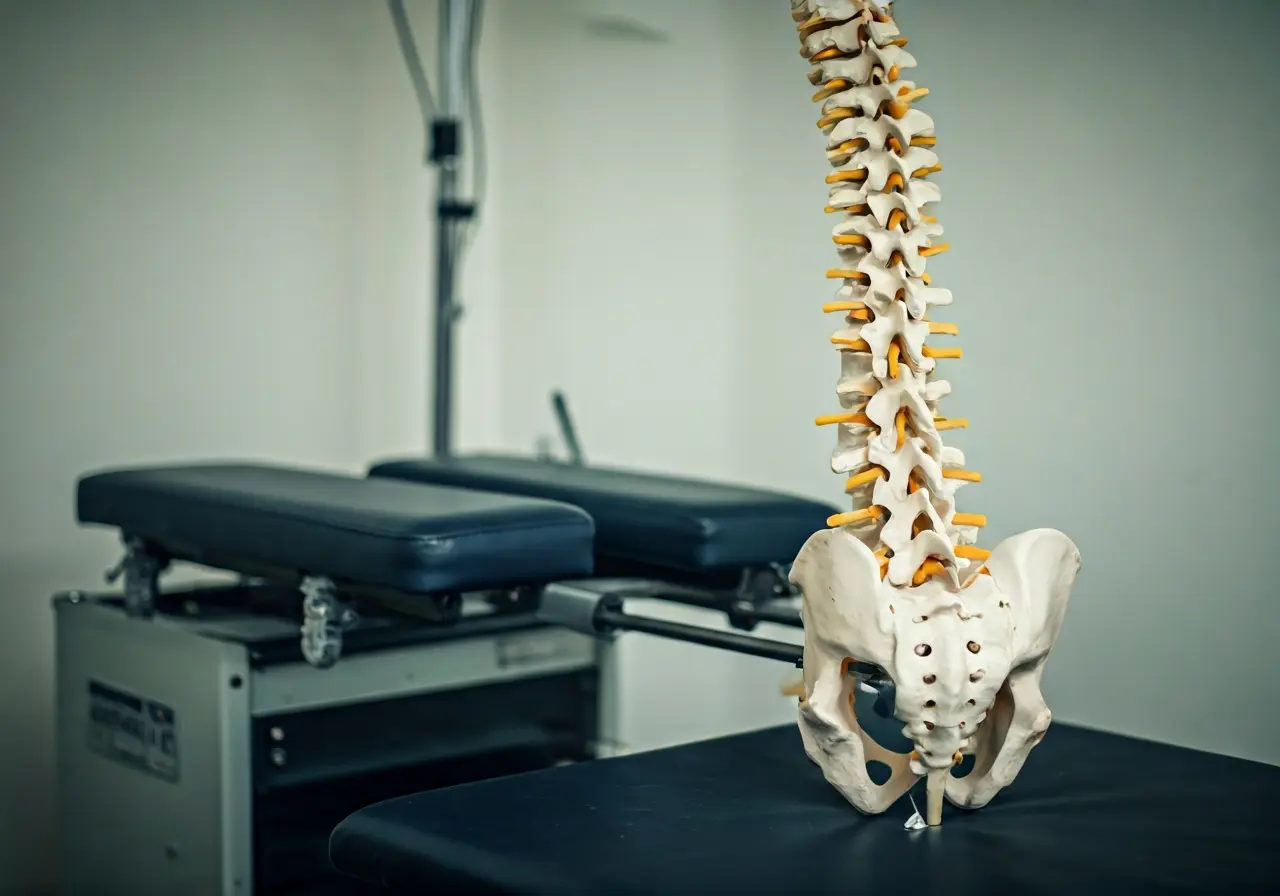
What is Spinal Decompression Therapy?
Spinal decompression therapy is a method used to relieve pain by gently stretching the spine, which changes its force and position. This process promotes the movement of water, oxygen, and nutrient-rich fluids into the disks so they can heal more effectively.
This therapy is particularly useful for tackling chronic back pain that doesn’t seem to get better with more traditional treatments like medication or rest. The principle behind spinal decompression is quite simple yet effective—by creating negative pressure in the spinal disks, it helps retract herniated or bulging disks.
The appeal of spinal decompression lies not only in its non-invasive nature but also in its aim to address the underlying cause of the pain, rather than merely masking it. This makes it an attractive option for those who are cautious about surgical interventions.
How Does the Process Work?
During a spinal decompression session, patients lie on a motorized table while a harness is placed around their pelvis and another around the trunk. The table is then moved slowly to pull the spine slightly apart, reducing pressure on the disks.
The process itself is carefully controlled by a computer that adjusts the force applied to the spine. This precision helps prevent muscle spasms, which are a common reaction to sudden stretching.
Sessions typically last about 30 to 45 minutes, and most treatment plans recommend a series of sessions to achieve the best results. It’s important for patients to adhere to the prescribed regimen to get the most out of each session.
Who Can Benefit from Spinal Decompression?
This therapy is beneficial for individuals suffering from lower back pain, neck pain, herniated or bulging disks, and sciatica. It is essential to consult a healthcare provider to determine suitability.
Athletes and active individuals who frequently put stress on their spines can also find relief through spinal decompression therapy. By alleviating pressure from the spinal disks, this therapy can enhance their range of motion and performance.
While spinal decompression is an option for many, it may not be suitable for everyone. People with severe osteoporosis, spinal fusion, or other specific medical conditions might require alternative treatments, so personalized consultations are crucial.
What are the Expected Outcomes?
Many patients experience significant pain relief and improved function after a series of treatments. It is important to have realistic expectations and understand that outcomes may vary depending on individual conditions.
Improvements in mobility and a reduction in pain are among the most commonly reported outcomes. Regular follow-ups with your healthcare provider help in assessing the effectiveness of the therapy.
It’s crucial to complement spinal decompression therapy with lifestyle changes such as regular exercise or ergonomic adjustments at work, which can contribute to longer-lasting benefits.
Are There Any Risks Involved?
Spinal decompression is generally considered safe. However, like any treatment, it comes with risks. Patients with broken vertebrae, tumors, or metal implants in their spine may need to consider alternative treatments.
Minor side effects like temporary muscle soreness might occur, but they are usually manageable and short-lived. Always discuss your medical history with your therapist to minimize potential risks.
Strict adherence to the therapist’s guidelines during sessions can further reduce the likelihood of adverse effects, ensuring a smooth and beneficial treatment experience.
How to Prepare for the Therapy?
Before starting therapy, a thorough consultation with a healthcare provider is necessary to assess your condition and discuss potential benefits and risks. Wearing comfortable clothing and communicating your comfort level during treatments are also important.
Being open about past injuries and current ailments can significantly impact the effectiveness of the therapy. It ensures that your healthcare provider can tailor the treatment to your specific needs.
It’s also beneficial to set personal goals for what you hope to achieve with spinal decompression therapy. This can help keep track of progress and adjust treatment plans as necessary.
Conclusion
Spinal decompression therapy offers a promising solution for many individuals suffering from chronic back pain. By understanding its process, benefits, and considerations, you can make informed decisions regarding your treatment options. Always consult with a healthcare professional to determine what’s best for your specific condition.
