

15 Things to Know Before Starting Spinal Decompression Treatment
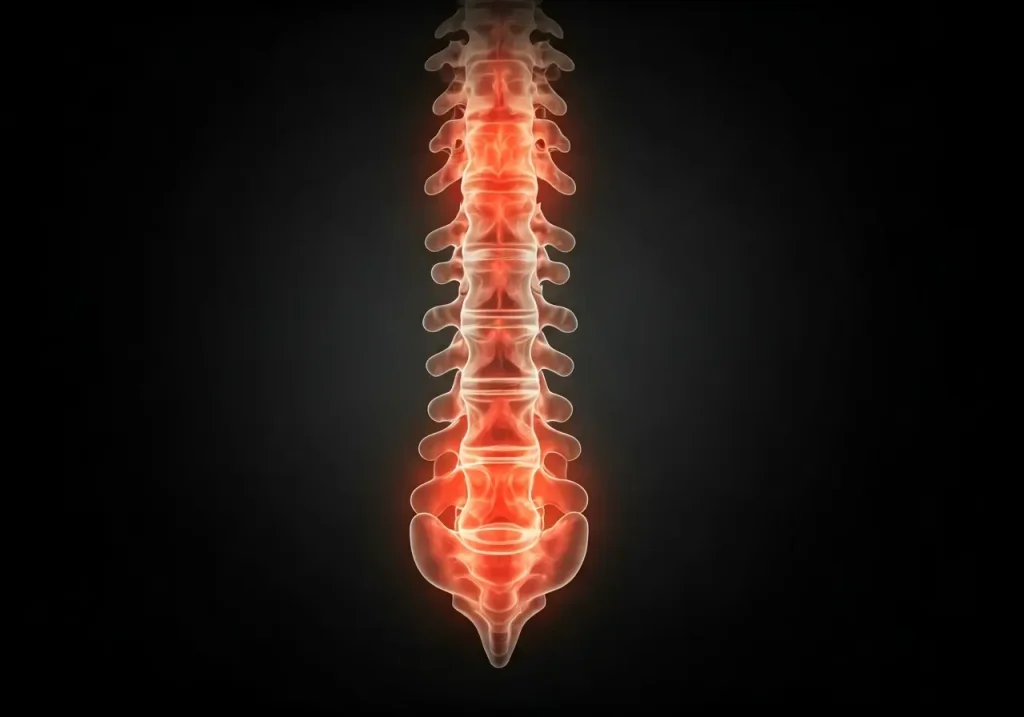
Starting spinal decompression treatment can be both exciting and nerve-wracking. This non-surgical approach promises relief for many back pain sufferers, but there are a few things you should know before you dive in. This guide will help you navigate your journey with spinal decompression by explaining the essentials in a straightforward, friendly manner.
1. Understanding the Basics
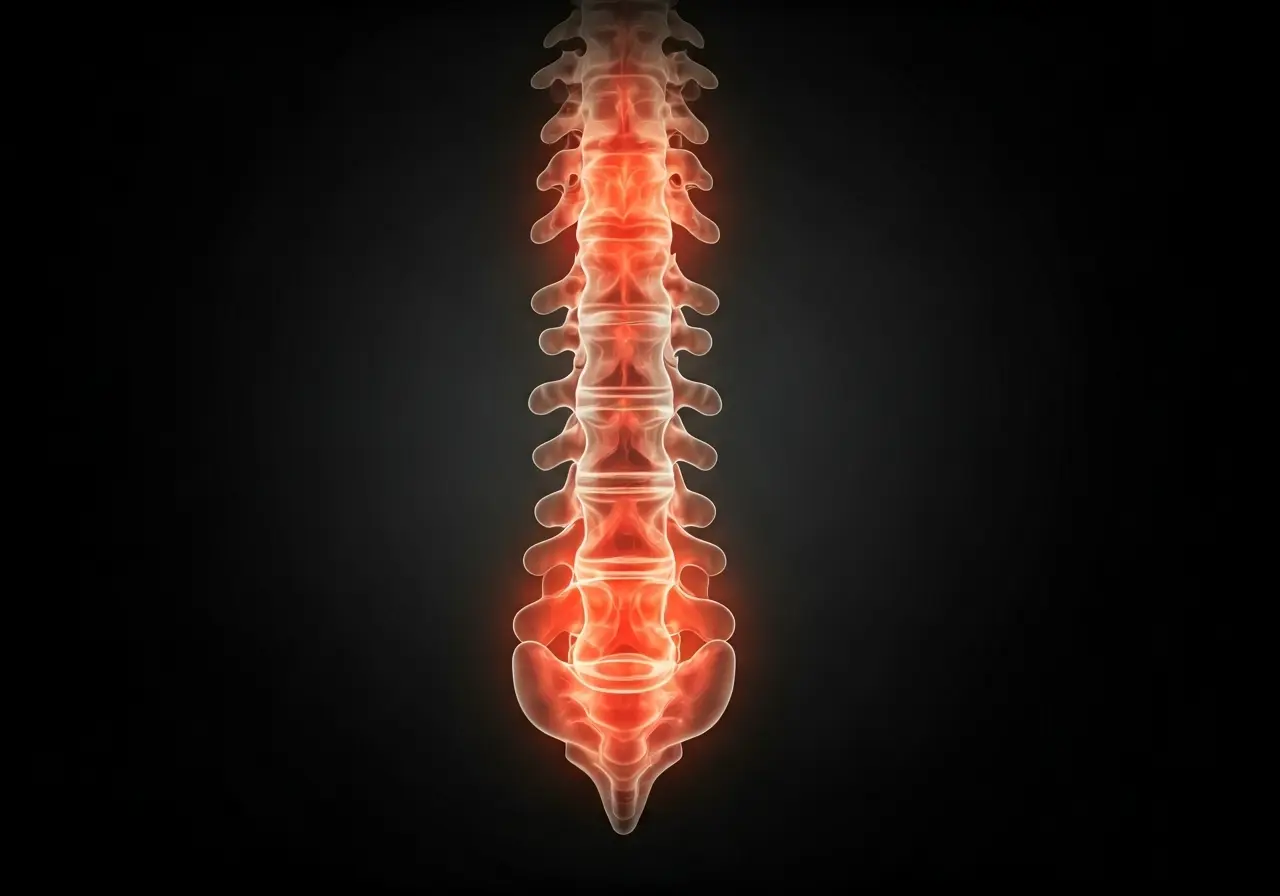
Spinal decompression aims to relieve pressure on the spine, which can reduce pain and improve mobility. It’s crucial to understand how this treatment works before starting, to set the right expectations and prepare for the journey ahead. The procedure involves the use of a traction table or a similar motorized device to stretch the spine in a controlled manner. This stretching creates negative pressure within the spinal discs, which can help to reposition them and alleviate discomfort. For some patients, this means reduced symptoms and an overall improvement in daily activities.
While spinal decompression is beneficial for many, not everyone understands what goes into it. Knowing the physiological workings behind this method can help you recognize why it might be an effective solution for issues like herniated discs, sciatica, or degenerative disc disease. Keeping informed is crucial, as this treatment isn’t suitable for everyone. If you’re curious about whether it’s appropriate for your condition, discussing options for treatment with a professional is essential.
2. Consulting with a Professional
Before beginning spinal decompression treatment, make sure to consult a qualified healthcare professional. They can assess your unique needs and determine if this therapy is the right choice for you. A personalized evaluation typically involves a comprehensive review of your medical history, current health status, and a physical examination. These steps help your healthcare provider form a complete picture of your condition, ensuring they recommend the most appropriate treatment plan.
Open communication with your healthcare provider is vital. Ask questions about the expected duration of the treatment, number of sessions, and what kind of results you can realistically expect. By actively participating in these discussions, you take ownership of your health and set the stage for more successful outcomes. Once you and your provider are on the same page, your journey to pain relief can begin more efficiently.
3. Knowing Your Treatment Options
There are various methods of spinal decompression, including mechanical and manual techniques. Understanding these options can help you make informed decisions about your treatment. Mechanical spinal decompression typically involves the use of a motorized table designed specially to apply traction to the spine. On the other hand, manual decompression might involve a chiropractor using their hands to relieve pressure.
Each technique has its advantages and can cater to different patient needs. Manual decompression might be advantageous for individuals who prefer a more hands-on approach or have specific areas that need attention. Conversely, mechanical decompression offers a high level of control over the intensity and duration of the stretch, which can be crucial for chronic conditions. From exploring mechanical treatments to considering manual alternatives, knowing your options can help devise a tailored approach to your spinal health journey.
4. Recognizing the Potential Benefits
Spinal decompression can offer numerous benefits, such as reduced back pain, improved mobility, and enhanced quality of life. Familiarizing yourself with these potential outcomes can help boost your motivation and commitment. Many patients report significant pain relief after a series of treatments, often experiencing increased flexibility and ease of movement, allowing them to return to activities they once had to forgo.
Beyond physical improvements, the psychological benefits should not be overlooked. Relief from chronic pain can significantly uplift one’s mood and mental well-being. Enjoying everyday activities without pain can contribute to a more positive outlook on life, fostering a more active and engaged lifestyle. By understanding these potential gains, you can approach the treatment with a hopeful mindset and a dedication to achieving these results.
5. Considering the Possible Risks
Like any medical procedure, spinal decompression carries some risks. Talking with your healthcare provider will help you understand and weigh these risks against the potential benefits. The most common side effects are relatively minor, often involving muscle spasms or temporary discomfort at the treated site. However, rare complications can occur, making it imperative to approach this treatment cautiously.
By thoroughly discussing potential risks with your provider, you can prepare yourself better and make informed decisions. You may also discover that there are alternative treatments or complementary therapies to consider if spinal decompression isn’t suitable. This proactive approach ensures that you are not only well-informed but also engaged in your healthcare journey. Understanding the full scope of this treatment’s potential risks and rewards will help you navigate your options based on your specific health circumstances.
6. Setting Realistic Expectations
Remember that results can vary from person to person, and spinal decompression may not provide immediate relief. It’s important to have realistic expectations about the timeline and extent of relief. Initial sessions might yield subtle changes, while meaningful improvements could take time. Patience and perseverance are crucial throughout this process, as is an open dialogue with your provider to manage expectations effectively.
Seeing gradual improvements rather than overnight solutions can help you measure success more appropriately. By setting achievable goals, you can maintain motivation throughout the treatment, celebrating even the small victories that mark progress. This approach will keep you committed to the long-term benefits of spinal decompression, enhancing your overall experience and satisfaction with the process.
7. Preparing for Your Sessions
Knowing how to prepare for your spinal decompression sessions can make the experience smoother and more effective. This includes wearing comfortable clothing and going over any pre-session instructions with your therapist. Remember to discuss your current medications with your therapist, as some might affect your treatment. It’s also important to stay hydrated and maintain a balanced diet to support your body’s healing processes.
Being mentally prepared can make a significant difference to your sessions’ effectiveness. Approaching each session with an open mind and a positive attitude can enhance the therapy’s benefits. Take time to relax and focus on your breathing during your sessions to help your body respond optimally to the treatment. These small yet impactful preparations can significantly elevate the quality of your spinal decompression experience.
8. Understanding the Recovery Process
Recovery is a key part of any treatment. Knowing what to expect in terms of downtime, aftercare, and follow-up appointments will help you manage the healing process more effectively. After your sessions, mild soreness in the treated area is normal as your spine adjusts to the changes.
Developing a strong aftercare routine can help sustain the benefits of spinal decompression. This might involve incorporating gentle physical activity, stretching exercises, or complementary therapies like yoga. Regular check-ins with your healthcare provider can also help adjust your treatment plan as needed, ensuring long-term success. Embrace this phase as an opportunity to reinforce your commitment to a healthier lifestyle and alleviate potential setbacks.
9. Tracking Your Progress
Keeping a record of your improvement can help you and your healthcare provider assess the effectiveness of your treatment plan. Track your pain levels, mobility, and any changes in symptoms. Documenting your journey provides valuable insights into what works best for you, enabling you to make informed decisions about continuing or adjusting your treatment.
Journaling these observations can also boost your motivation by highlighting progress over time. Seeing tangible improvements, even subtle ones, can reaffirm that you are moving in the right direction. Sharing these records with your provider adds precision to your treatment, tailoring the approach based on real-world outcomes and enhancing the likelihood of a successful recovery.
10. Staying Informed and Engaged
Staying informed about your condition and treatment is key. Engage with your healthcare provider, ask questions, and seek out reliable sources of information to empower yourself in your journey toward relief. By proactively participating in your health management, you are better equipped to handle any challenges that arise during treatment, making the process smoother and more efficient.
Cultivating a support network composed of healthcare professionals and other patients with similar experiences can provide valuable insights and encouragement. Online resources and support groups can offer additional perspectives, ensuring you make well-rounded decisions about your care. This ongoing engagement ensures you remain educated and confident, enabling you to navigate your path to pain relief successfully.
